

Case Clients in the Alcohol Industry
Summary:
Category:
Engineering Cases
Tag:
Case Details
The main functions of adding carbon dioxide to beer include:
Creating Foam and Providing a Unique Taste Experience: Carbon dioxide forms foam in beer, which delivers a distinctive sensory experience when consumed. The foam enhances the mouthfeel and overall texture of the beer, allowing drinkers to savor its rich layers and unique flavors.
Maintaining Beer Freshness: Carbon dioxide plays a crucial role in beer by helping to preserve its freshness. In sealed bottles or cans, carbon dioxide prevents oxygen from entering, thereby protecting the beer’s flavor and quality. Carbon dioxide slows down the oxidation process, allowing the beer to retain a crisp, refreshing taste.
Adjusting Beer’s Flavor: Carbon dioxide can modulate the flavor of beer, imparting a crisp, refreshing taste. At the same time, it helps promote foam formation and enhances foam stability and longevity, providing a preservation effect, boosting beer’s antimicrobial properties, and extending its shelf life.
Preventing Beer Oxidation: During the fermentation process, yeast breaks down fermentable sugars into carbon dioxide and alcohol under anaerobic conditions. When these gases combine with water, they form carbonic acid, which helps remove oxygen from the beer, preventing oxidation and ensuring the beer’s flavor remains fresh and balanced.
Extending Beer’s Shelf Life: The carbon dioxide and organic acids in beer have a refreshing, invigorating effect, stimulating sensory nerves and promoting digestion. At the same time, carbon dioxide helps precipitate certain hop resins, which not only soften and refine the bitterness of beer but also inhibit contamination by unwanted microorganisms, thereby extending the beer’s shelf life.
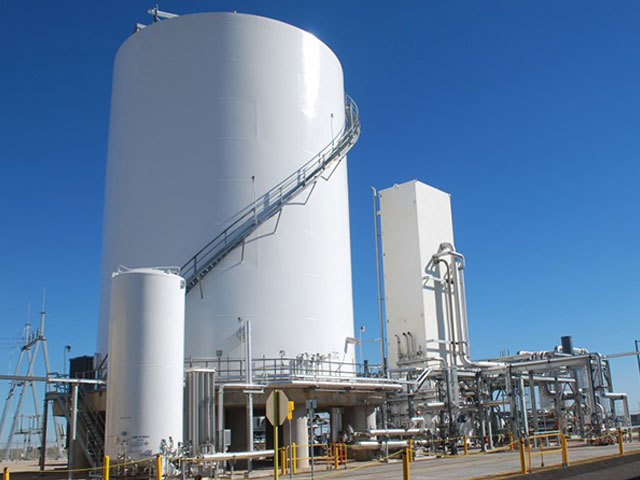
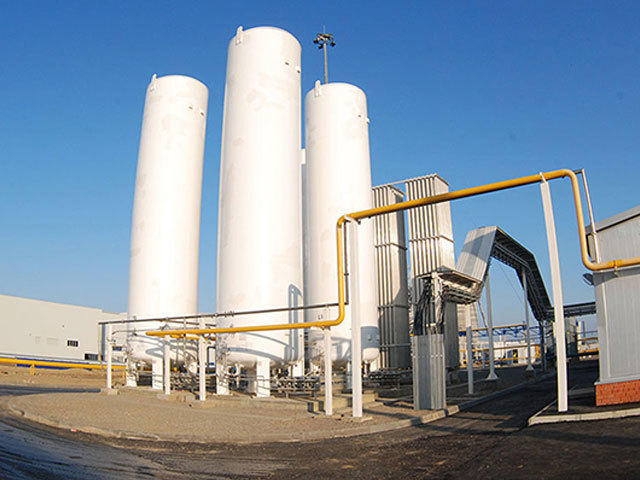
Factory View


Recommended Case
CASE INQUIRY
Welcome to our company's official website. If you are interested in our products, please leave your contact information, and we will reach out to you promptly!

ONLINE MESSAGES
Please describe in detail the questions you need to consult, and we will arrange for a specialist to contact you in time
CONTACT US
Shandong Shaohua Gas Co., Ltd.
Phone: 40080 40085
E-mail: zhang0215@shaohuagas.com
Address: No. 5 Fengshan Road, Zhifu District, Yantai City, Shandong Province